

International Seminar at IPC:
Migration Unpacked: Challenges, Opportunities, and Solutions
Sunday, 22 November 2026, 14:00-17:00, UN Hall
Why do people migrate? What happens when they do, and how can societies respond?
Migration has shaped human history and continues to raise important social, economic, political, and humanitarian questions around the world. But migration is about more than the movement of people. It is a story of hope, survival, and the search for a better future. It challenges societies, broadens perspectives, and invites us to rethink what it means to belong.
Join us at the International People’s College for an eye-opening seminar exploring the challenges and opportunities of migration in today’s world.
Bringing together expert and political perspectives, the seminar will explore why people leave their homes, the opportunities migration can create, and the challenges it presents for refugees, migrants, and host communities alike.
The seminar will address key issues such as integration, employment, public services, social cohesion, and human rights, while exploring practical, humane, and realistic policy responses.
The panel of speakers:
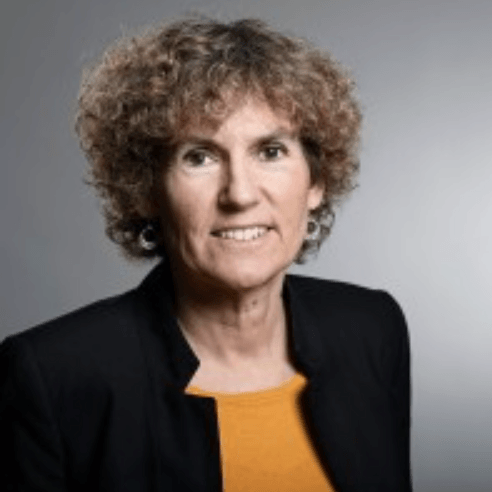
Eva Singer, Director of the Asylum Department at the Danish Refugee Council
Eva Singer is a legal expert with more than 30 years of experience in human rights and asylum law. Before joining the Danish Refugee Council (DRC), she worked with the UN Centre for Human Rights, UNHCR, and the Danish Immigration Service. In her current role, she works to strengthen the rights and legal protection of asylum seekers and refugees in Denmark and across the EU. Her perspective brings practical experience in asylum law, refugee protection, and the humanitarian implications of migration policies.
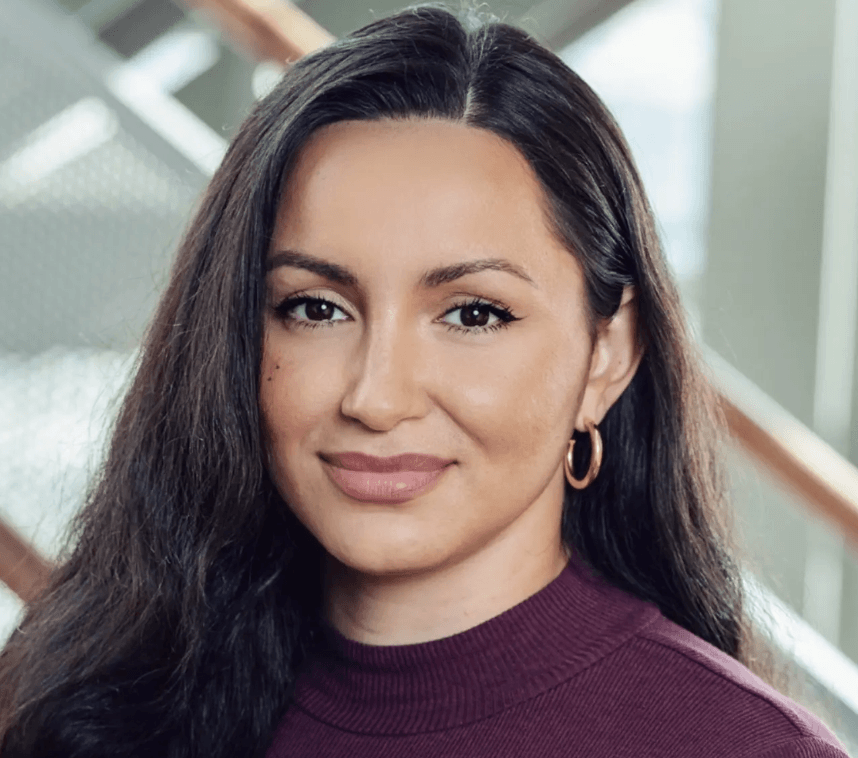
Ahlam Chemlali, Co-Director and Postdoctoral Researcher at Aalborg University
Ahlam Chemlali is a researcher specialising in migration, border control and European migration policies. Her work examines the political, social and human rights consequences of European efforts to manage migration beyond the EU’s external borders, including cooperation with countries in North Africa. Drawing on extensive fieldwork and her previous experience with the human rights organisation DIGNITY – Danish Institute Against Torture – she explores how migration policies affect people on the move in practice. Her research brings a critical, evidence-based perspective to debates about border control, migration agreements and the human consequences of political decisions.
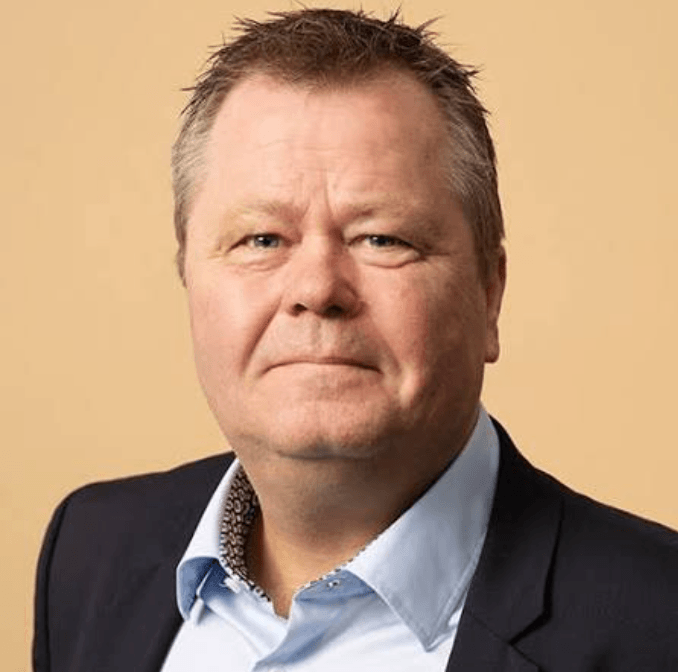
Henrik Møller, Social Democrat politician
Henrik Møller is a Danish Social Democrat with extensive experience in local and national politics. He served as a member of the Danish Parliament from 2019 to March 2026 and held several key parliamentary roles, including chair of the Housing Committee and vice-chair of the European Affairs Committee. He also served as the Social Democrats’ spokesperson on European affairs. His political experience offers insight into the policy-making process, the role of Denmark in European cooperation and the political considerations that shape decisions on migration and asylum.
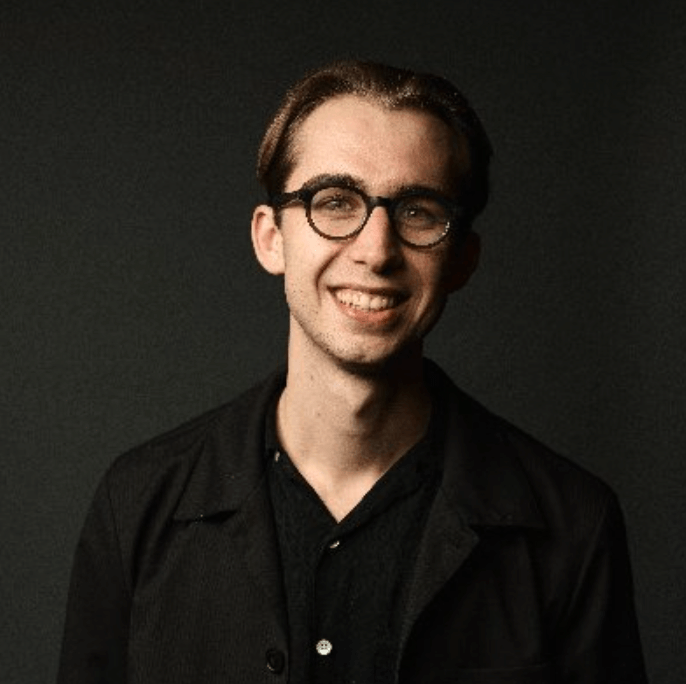
The debate will be moderated by Mathies Gronemann from Ræson
Mathies Duch Gronemann is an editor and moderator at Ræson, the Danish political and current affairs publication. He holds a master’s degree in political science from the University of Copenhagen and has previously worked as a freelance journalist for DR, Denmark’s public-service broadcaster. With a background in journalism and international affairs, he brings experience in facilitating discussions on complex political issues and encouraging debate between different perspectives.
Organised by the International People’s College, this seminar offers an opportunity to move beyond polarised debates, explore different perspectives, and consider how societies can address the challenges of population movement while recognising its potential benefits. The seminar will be held in English. For registration, please sign up by emailing event@ipc.dk.
The International People’s College is a Danish Folk High School in Elsinore, established as a peace initiative in the wake of World War I, based on the idea that if people from countries that have been war enemies live, study, and work together, it will foster mutual respect, acceptance, and peace.

International People’s College
Montebello Allé 1
3000 Helsingør
Denmark
CVR: 23253410
EAN: 5790002651410
+45 49 21 33 61
ipc@ipc.dk
Sign up for the IPC newsletter here.
Cookie Policy